
Are Grip Socks Allowed in Pilates Studios?
If you’re preparing for your first Pilates class, you might be wondering: are grip socks allowed in Pilates studios? The short answer is yes - and in many studios they’re actually recommended or required.
While Pilates was originally designed to be practiced barefoot, modern studios often encourage grip socks because they provide extra stability, hygiene, and comfort during workouts. As a company that designs and sells grip socks specifically for studio workouts, we’ve also seen a growing number of customers buying them specifically for Pilates classes.
In this guide, we’ll explain whether grip socks are allowed in Pilates studios, why many instructors recommend them, and how they can improve your workout experience.
Do Pilates Studios Allow Grip Socks?
Yes, most Pilates studios allow grip socks, and many encourage them for safety and hygiene reasons.
Studios typically fall into three categories:
1. Grip socks recommended
This is the most common policy. Instructors recommend them for extra traction and stability during exercises.
2. Grip socks required
Some studios require them, especially for reformer Pilates, because they help prevent slipping on equipment.
3. Barefoot allowed
A smaller number of studios still allow barefoot training, particularly in traditional mat-based classes.
Because policies vary, it’s always worth checking your studio’s guidelines before attending your first class.
Why Grip Socks Are Popular in Pilates
Over the past few years, grip socks have become a standard part of Pilates studio culture. From our experience running a grip sock brand, we’ve seen increasing demand from customers buying socks specifically for Pilates classes.
Here are the main reasons why.
1. Better Stability During Exercises
One of the biggest benefits customers report is improved foot stability.
Pilates involves a lot of movements that require balance and control, such as:
-
Lunges on the reformer
-
Planks
-
Single-leg work
-
Standing balance exercises
Without grip, your feet can slide slightly on mats or equipment. Grip socks create traction between your feet and the surface, helping you stay stable and maintain proper form.
Many of our customers say their feet feel noticeably more stable during Pilates when wearing grip socks, especially during reformer sessions.
2. Improved Safety on Reformer Equipment
Reformer Pilates involves moving platforms, springs, and smooth surfaces. These can sometimes become slippery due to sweat or smooth materials.
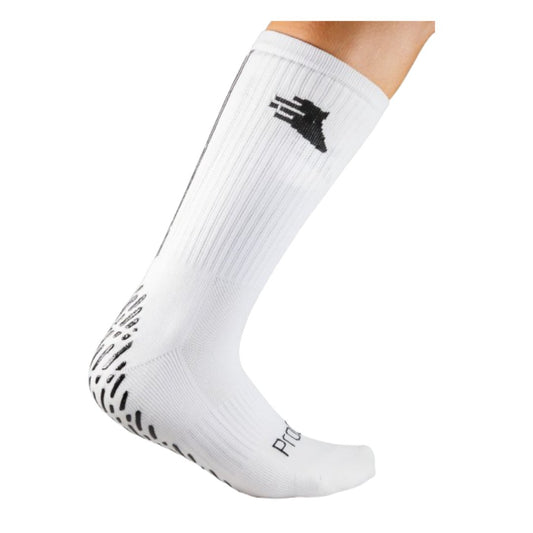
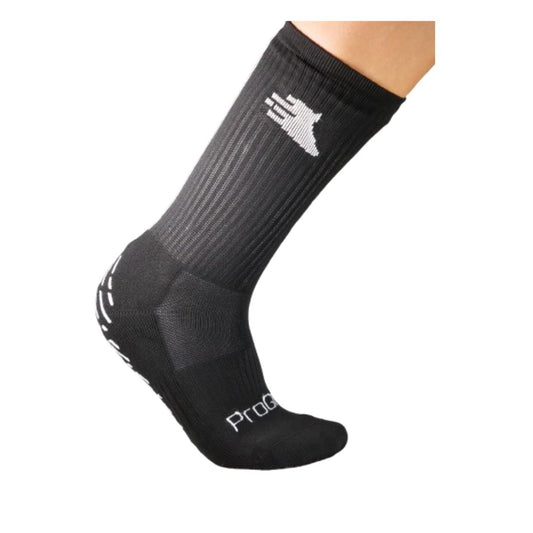
Grip socks reduce the risk of slipping because they typically include silicone traction patterns on the sole, which help anchor your feet during exercises.
This is one reason why some studios now require grip socks for reformer classes.
3. Better Studio Hygiene
Another reason many studios encourage grip socks is cleanliness.
Studios often host multiple classes throughout the day, meaning many people share the same equipment and floors. Grip socks create a barrier between your feet and studio surfaces, helping reduce the spread of bacteria or sweat.
For this reason, some studios include grip socks in their studio etiquette rules.
4. More Comfort During Workouts
Pilates classes can involve sweaty, high-focus workouts, and standard cotton socks often become slippery.
Quality grip socks are designed for studio workouts and may include features such as:
-
Breathable fabrics
-
Arch compression
-
Cushioned soles
-
Full-sole silicone grip patterns
These features help keep your feet comfortable and supported throughout the session.
Can You Wear Normal Socks Instead?
Technically, yes — but normal socks aren’t ideal for Pilates.
Standard socks lack traction, which means they can slide on mats or reformer platforms. This can make certain exercises harder to control and potentially less safe.
Grip socks are specifically designed for activities like:
-
Pilates
-
Yoga
-
Barre
-
Studio fitness classes
The silicone grip pattern on the sole provides the traction needed for controlled movements.
Are Grip Socks Required for Pilates?
It depends on the studio.
Many Pilates studios recommend them, but some reformer studios require grip socks for safety and hygiene reasons.
Even if they aren’t mandatory, they’re still widely considered one of the best accessories for Pilates classes, especially for beginners who are still developing balance and stability.
Our Experience From Pilates Customers
As a grip sock company, we’ve seen a clear trend in how people use grip socks in Pilates studios.
A growing number of customers now purchase grip socks specifically for Pilates workouts. One piece of feedback we consistently hear is that their feet feel more stable during exercises when wearing grip socks.
Many clients also mention that once they try Pilates with grip socks, they rarely go back to barefoot or normal socks, especially for reformer classes.
Should You Wear Grip Socks to Your First Pilates Class?
In our opinion, grip socks are absolutely recommended.
They offer several advantages for beginners:
-
Better stability when learning new movements
-
Extra traction on reformer equipment
-
Improved hygiene in shared studios
-
More comfort during longer sessions
Even if your studio doesn’t require them, bringing a pair of grip socks to your first class is a simple way to feel more confident and secure during your workout.
Final Thoughts
So, are grip socks allowed in Pilates studios? Yes — and in many cases they’re encouraged or required.
Grip socks have become a popular choice for Pilates because they help improve stability, safety, hygiene, and comfort during classes. As Pilates continues to grow in popularity, we’re also seeing more people specifically buying grip socks for studio workouts.
If you’re planning to attend a Pilates class, wearing a pair of grip socks is a small change that can make a big difference to your overall experience.